


What Is Flannel? Meaning, Fabric, Types, Uses & Key Differences
by Teresa Finn on Sep 02, 2026
Table of Content
Flannel is a soft woven fabric, commonly made from cotton, wool, or synthetic fibers. Known for its soft, often brushed surface, flannel traps warmth while staying comfortable and versatile for everything from shirts and pajamas to bedding and tailored clothing.
And while plaid flannel shirts are classic, flannel isn’t a pattern—plaid and tartan describe designs, while flannel describes the fabric itself. So, what exactly makes a fabric flannel? Let’s break down its materials, characteristics, uses, and key differences.
What Is Flannel?
Flannel isn’t defined by one specific fiber or weave. Instead, the term refers to a family of woven fabrics recognized for their soft feel and, in many cases, a brushed or napped surface. Depending on the fiber, weave, weight, and finish, flannel can range from lightweight and breathable to thick and insulating.
This versatility is why flannel appears in everything from everyday clothing to cold-weather garments and home textiles.
Flannel at a Glance
Feature |
What to Know |
Fabric type |
Woven fabric |
Common fibers |
Cotton, wool, synthetic fibers, or blends |
Common weaves |
Plain or twill |
Surface |
Often brushed or napped for added softness |
Weight |
Ranges from lightweight to heavy |
Key qualities |
Soft and comfortable; warmth and breathability vary by fiber and weight |
Common uses |
Shirts, pajamas, bedding, workwear, trousers, and quilting |
Appearance |
Can be solid, plaid, striped, or other patterns |

These characteristics can vary significantly from one flannel to another, which is why it's important to understand the fabric separately from its appearance—especially when it comes to the familiar plaid pattern.
Is Flannel the Same as Plaid?
No. Flannel is a type of fabric, while plaid is a pattern. They are often associated because many flannel shirts feature plaid designs, but neither one requires the other.
A flannel fabric can be solid, striped, plaid, or printed with another design. Likewise, a plaid pattern can appear on many fabrics that are not flannel, including smooth cotton or synthetic materials. The same distinction applies to plaid and tartan: tartan describes a specific type of patterned design with intersecting horizontal and vertical bands, not the fabric itself.
Feature |
Flannel |
Plaid |
What it describes |
A fabric |
A pattern |
Defined by |
Fiber, construction, weight, and finish |
Intersecting horizontal and vertical lines |
Common appearance |
Solid, plaid, striped, or printed |
Checked pattern in two or more colors |
Common materials |
Cotton, wool, synthetics, or blends |
Can appear on many different fabrics |
Example |
A solid cotton flannel shirt |
A plaid shirt made from smooth cotton |
So, a plaid shirt isn't automatically a flannel shirt, and flannel doesn't have to be plaid. If you want a closer look at the difference between plaid and flannel, our comparison breaks down how the two differ in meaning, appearance, and use.
What Is Flannel Made Of?
Flannel can be made from cotton, wool, synthetic fibers, or a blend of different fibers. The material used affects how the fabric feels, how much warmth it provides, how breathable it is, and what it is best suited for.
This is why two fabrics labeled “flannel” can feel quite different. A lightweight cotton flannel shirt, for example, will not have the same texture or insulation as a heavier wool flannel used for trousers or outerwear.
Cotton Flannel
Cotton flannel is soft, breathable, and comfortable against the skin, making it a common choice for everyday clothing and home textiles.
Cotton flannel is often brushed to create its familiar soft surface. Compared with heavier wool varieties, it generally feels lighter and suits shirts, pajamas, sheets, and quilting. Its balance of softness and breathability also makes it practical for layering when the weather turns cooler.

Wool Flannel
Wool flannel offers greater natural insulation and is commonly used when you need more warmth and structure. It has long been associated with cold-weather clothing and tailored garments.
Depending on its weight and finish, wool flannel can be used for trousers, suits, jackets, and other cool-weather pieces. It tends to feel denser and more substantial than cotton flannel while still retaining the fabric's soft character.
Synthetic and Blended Flannel
Synthetic flannel is typically made with fibers such as polyester, while blended flannel combines fibers to balance different performance characteristics.
For example, cotton-polyester blends can combine cotton's softness and breathability with polyester's durability and easier-care qualities. Synthetic and blended options are commonly found in clothing and household textiles where durability, affordability, or lower-maintenance care may be priorities.
Ultimately, no single material makes a fabric flannel. Cotton, wool, synthetic fibers, and blends can all work, and the fabric’s construction and finish further shape how each type performs.
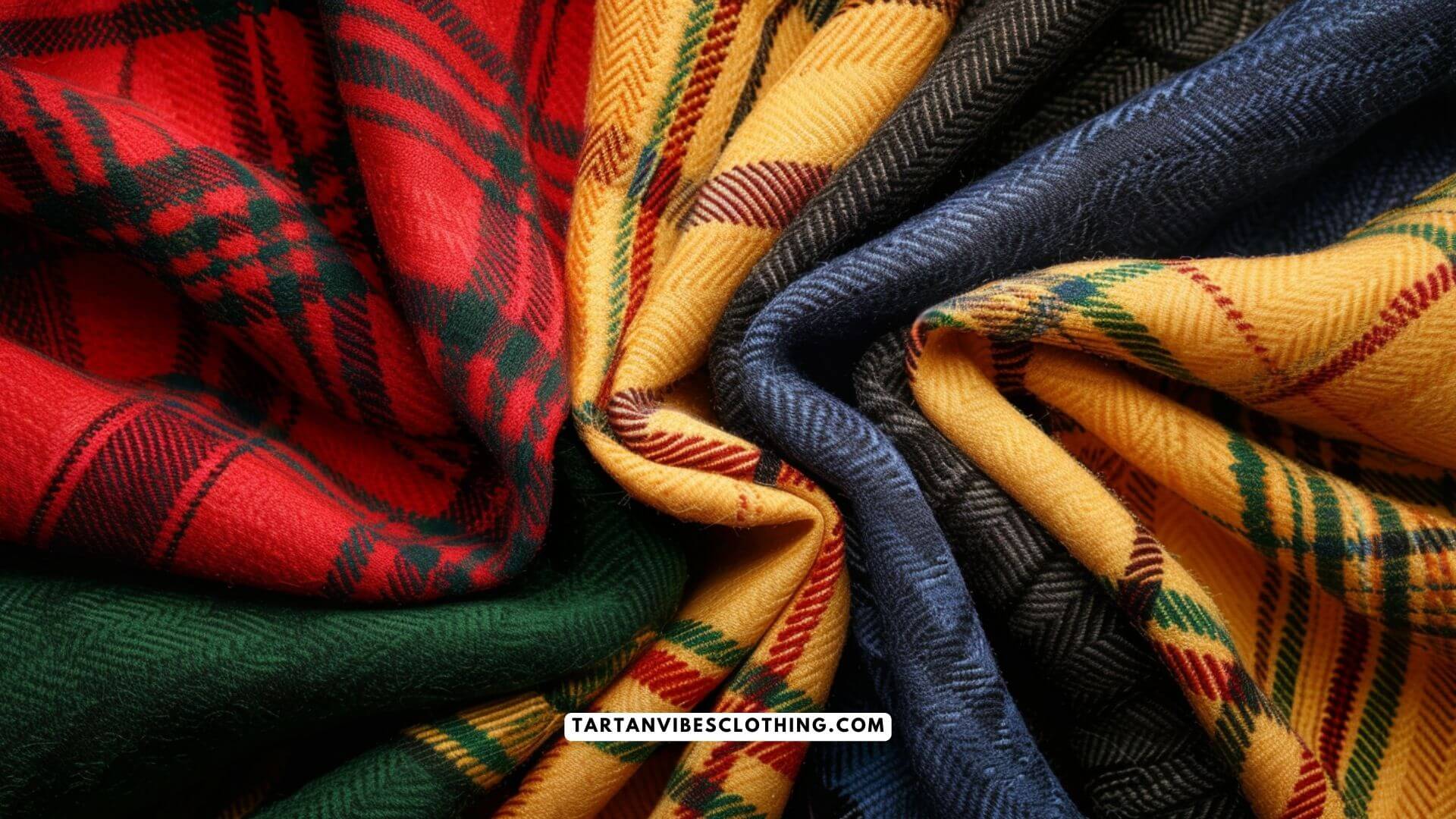
What Makes Flannel Soft and Warm?
Brushing and Napping
Plain vs Twill Weave
Flannel is commonly made with a plain or twill weave. Plain weave uses a simple over-and-under structure, while twill creates subtle diagonal lines and can give the fabric a softer drape and more substantial feel.
The weave alone doesn't make a fabric flannel; it works with the fiber and finishing process to shape its texture and performance.

Fabric Weight
What Is Flannel Used For?
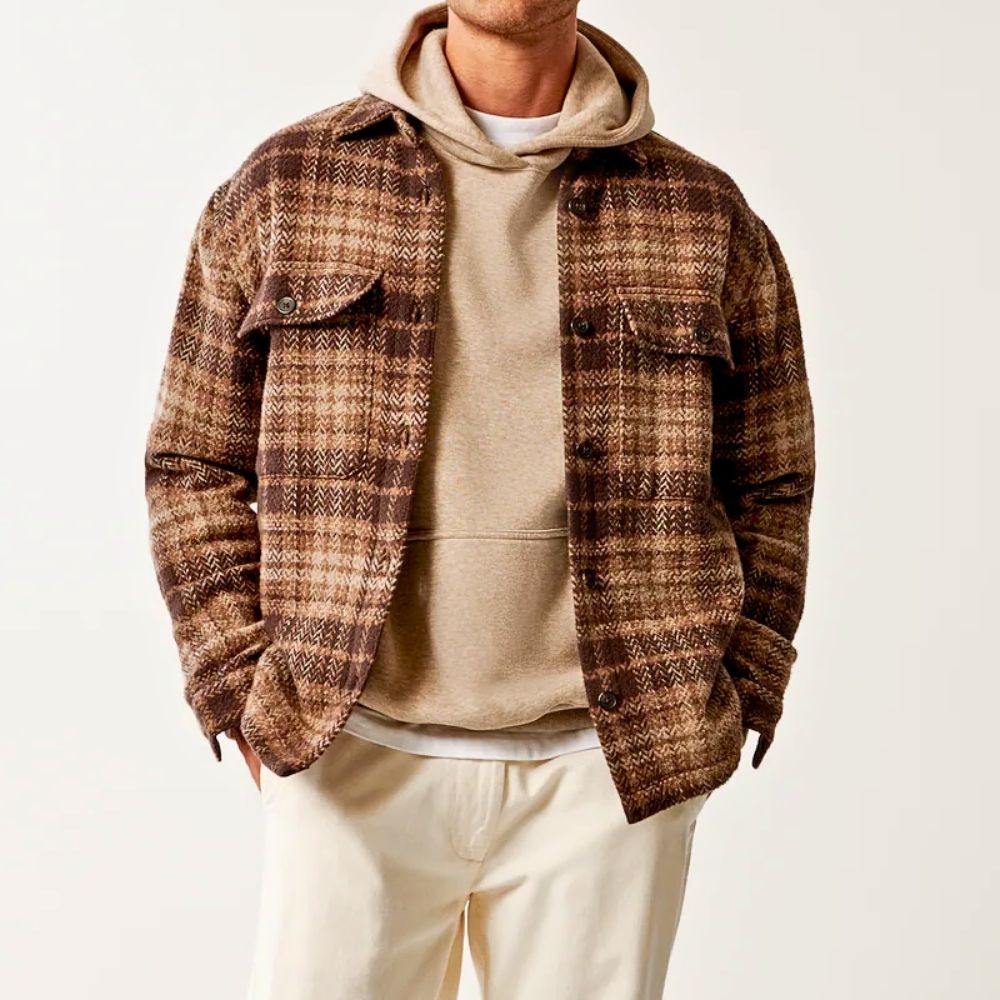
Flannel is used for clothing, sleepwear, bedding, workwear, and quilting because it combines softness, comfort, and warmth. The best use depends on the fiber and weight: lighter cotton flannels work well close to the skin, while heavier cotton or wool flannels suit colder-weather garments.
Some of the most common uses of flannel include:
Shirts: One of the most familiar uses, flannel shirts offer a soft, comfortable layer for cool weather and come in solid colors as well as plaid patterns.
Pajamas: Soft cotton flannel is commonly used for sleepwear because it feels comfortable against the skin while providing extra warmth.
Bedding: Flannel sheets and other bedding are popular in colder months, when their soft, napped surface can feel warmer than smoother fabrics.
Workwear: Heavier flannel is often used for shirts and layers designed for cooler working conditions.
Trousers: Wool flannel can be used for tailored trousers and other garments that benefit from warmth, softness, and drape.
Quilting: Cotton flannel can also be used in quilts and other sewing projects where you want a soft, cozy fabric.
In short, flannel is not limited to the classic flannel shirt. Its uses range from lightweight everyday pieces to warmer home textiles and tailored clothing, depending on how the fabric is made.

Flannel Compared With Other Fabrics
Flannel vs Regular Cotton
Cotton flannel is still cotton, but it usually feels softer and warmer than regular smooth cotton fabric. The difference comes largely from how the fabric is constructed and finished, not from the cotton fiber itself.
Regular cotton fabrics often have a smoother surface that allows heat to escape more easily. Cotton flannel, by contrast, is commonly brushed or napped, creating a fuzzy surface that traps more insulating air.
Feature |
Cotton Flannel |
Regular Cotton Fabric |
Surface |
Soft, often brushed or napped |
Generally smoother |
Warmth |
Generally warmer |
Generally cooler |
Breathability |
Breathable, depending on weight |
Often lighter and more breathable |
Common uses |
Shirts, pajamas, bedding, quilts |
T-shirts, shirts, dresses, sheets and everyday clothing |
Best suited for |
Cool weather and cozy layers |
Everyday wear and warmer conditions |
So, asking whether flannel or cotton is better can be misleading because cotton flannel is both. The more useful comparison is between cotton flannel and a smoother, non-flannel cotton fabric.
Flannel vs Fleece
Flannel and fleece both provide warmth, but they do so through different fabric structures. Flannel is woven and often brushed, while modern fleece is typically a knitted synthetic fabric with a raised, insulating surface.
Feature |
Flannel |
Fleece |
Construction |
Woven |
Typically knitted |
Common fibers |
Cotton, wool, synthetics, or blends |
Commonly polyester |
Feel |
Soft, often lightly fuzzy |
Plush and fuzzy |
Warmth |
Varies widely by fiber and weight |
Designed primarily for insulation |
Breathability |
Varies by fiber and construction |
Varies by construction and weight |
Common uses |
Shirts, pajamas, bedding, trousers |
Jackets, pullovers, blankets and outdoor layers |
For everyday shirts, sleepwear, or woven garments, flannel offers a softer, more traditional fabric feel. People more often choose fleece when they want a plush insulating layer, especially for casual and outdoor clothing.
How Is Flannel Made?
Flannel is made by spinning fibers into yarn, weaving the yarn into fabric, and finishing the surface to achieve the desired softness and texture. The exact process varies by fiber and flannel type.
The basic process typically involves:
Preparing the fibers: Clean cotton, wool, synthetic fibers, or blends and prepare them for spinning.
Spinning the yarn: The fibers are spun into yarn suitable for weaving.
Weaving the fabric: The yarn is woven into the base cloth, commonly using a plain or twill structure.
Finishing the surface: Many flannels are brushed or napped on one or both sides to create their characteristic soft feel.
Final finishing: The fabric receives any additional finishing needed for its intended appearance and use.
The finished fabric is then ready for clothing, bedding, workwear, and other textile products.
A Brief History of Flannel
From Welsh Wool to Workwear
Flannel has a particularly strong historical connection with Wales and its Welsh woollen industry. The word flannel is also thought to be related to the Welsh gwlanen. By the 18th and 19th centuries, Welsh mills produced woolen flannel for clothing and other textile goods.
During the 19th and early 20th centuries, flannel became closely associated with practical workwear. Welsh miners and industrial workers wore wool flannel shirts because the material was hard-wearing and suited demanding working conditions.
From Workwear to Everyday Style
Over time, flannel moved beyond industrial clothing and became a much broader part of casual fashion. In the 20th century, it appeared in everything from shirts and trousers to more fashion-focused garments; Welsh flannel itself even experienced a fashion revival during the 1960s.
By the 1990s, plaid flannel shirts had become strongly associated with grunge style, helping cement the flannel shirt as an enduring casual wardrobe staple. Today, flannel continues to bridge its practical heritage with modern everyday style.

How to Wash and Care for Flannel
To keep flannel soft and help reduce shrinking, fading, and pilling, wash it gently and avoid excessive heat. Because flannel can be made from cotton, wool, or synthetic blends, always check the garment’s care label first for fiber-specific instructions.
For most washable flannel items:
Wash in cool or cold water: A gentle cycle can help reduce stress on the fibers and limit shrinkage.
Use a mild detergent: Avoid harsh washing products that may be unnecessarily tough on the fabric.
Wash with similar fabrics: Separating flannel from rough or abrasive items can help reduce friction and pilling.
Avoid excessive heat: If the care label allows machine drying, use a low-heat setting. Air-drying is another option when appropriate.
Store clean and dry: Fold flannel garments and bedding in a cool, dry place before storing them.
Wool flannel may require more specialized care than cotton or synthetic versions, including hand washing or dry cleaning depending on the garment. Follow the care label rather than assuming all flannel can be washed the same way.
With gentle washing and proper drying, flannel can retain its soft texture and comfortable feel for longer.
Conclusion
Flannel is more than the plaid shirt it is often associated with. It is a versatile woven fabric made from cotton, wool, synthetic fibers, or blends, with its feel and warmth varying by construction and finish.
Understanding the fiber, weight, and finish can help you recognize different types of flannel and choose the right one for your needs.
FAQs About What Is Flannel
What Do Americans Call Flannels?
In American English, “flannel” usually refers to the fabric or a flannel shirt, especially the familiar button-up style. In British English, however, “a flannel” can also mean a small washcloth used for washing the face or body.
Is Flannel Good for Summer?
Lightweight flannel can work in mild or cool summer weather, although it is more commonly associated with fall and winter. Lightweight cotton flannel generally suits warmer conditions better than heavier varieties, especially when worn as a loose layer.
What Is Flannel Cloth?
Flannel cloth is a fabric with the characteristics of flannel, typically a soft woven construction that may be brushed or napped for a fuzzier surface. The term “cloth” refers to the textile itself rather than a particular garment, so flannel cloth can later be made into shirts, bedding, pajamas, and other products.
What Does “Flannels” Mean in Clothing?
“Flannels” can refer to garments made from flannel, but the meaning depends on context. Historically and in some clothing contexts, the plural can refer to flannel trousers, while casual modern usage may also refer to flannel shirts or other flannel garments.
Can Flannel Be Used for Babies?
Flannel can be used for some baby textiles and clothing, especially when you want a soft, warm fabric. However, suitability depends on the specific product, fiber, construction, and intended use, so parents should follow the product’s safety and care guidance rather than choosing an item based on the word “flannel” alone.

Teresa Finn
As someone with a deep passion for clan heritage, especially the intriguing world of tartans and their rich traditions, I'm here to be your companion on this exciting journey. Together, we'll delve into the depths of clan history, uncovering the stories behind these vibrant tartans and making every connection to your heritage more meaningful.


